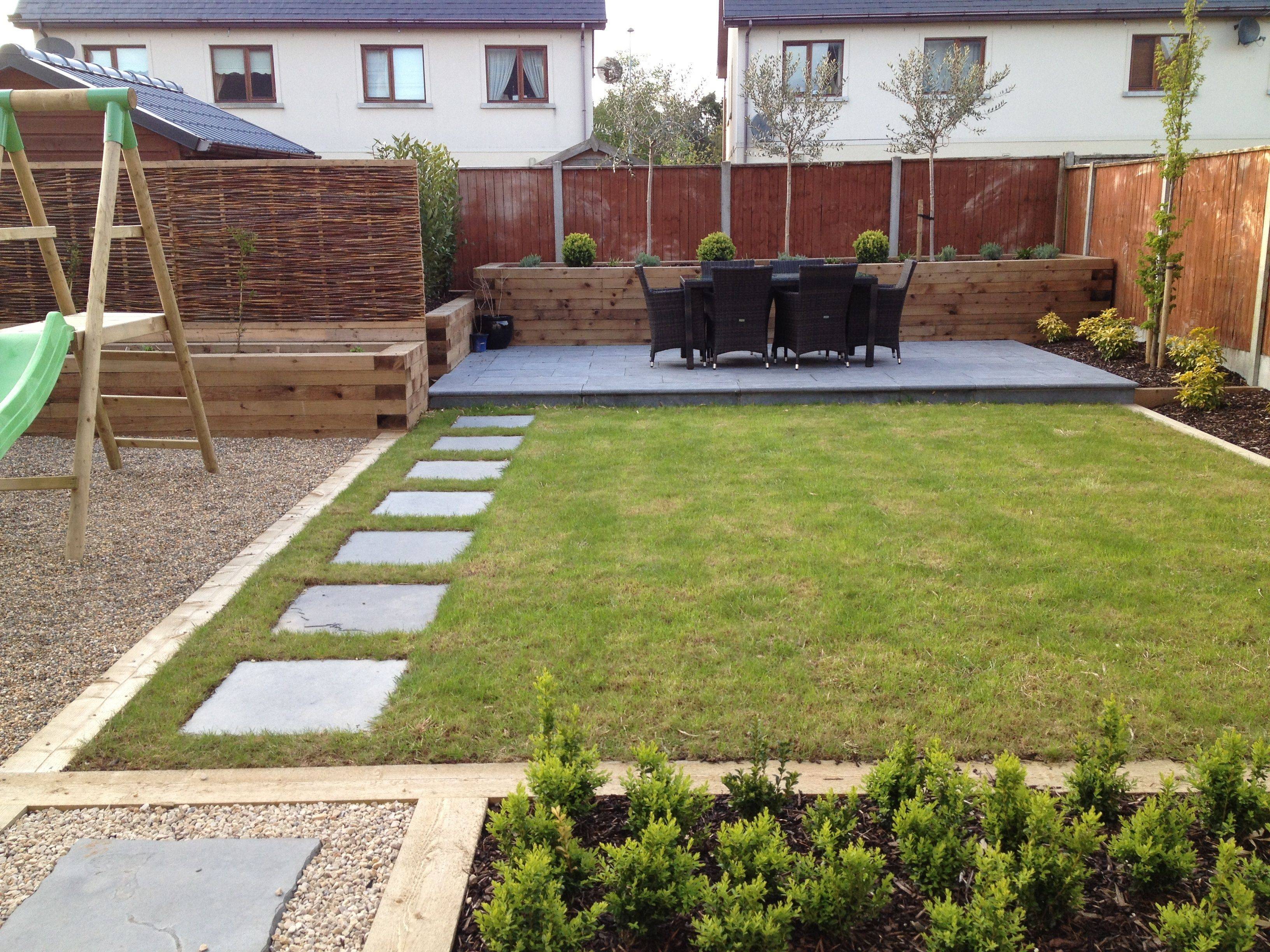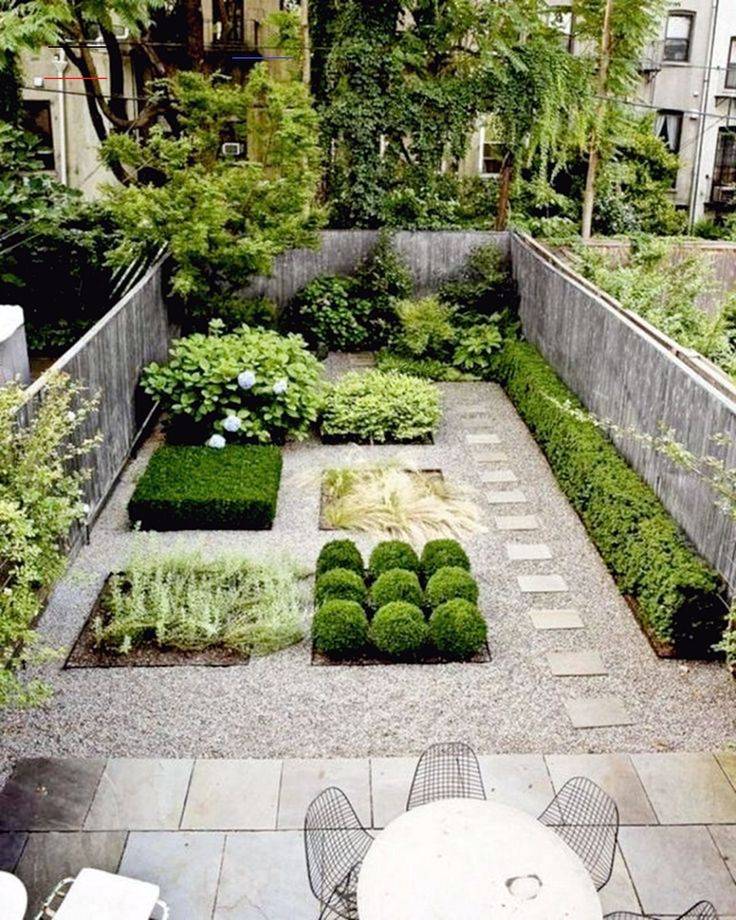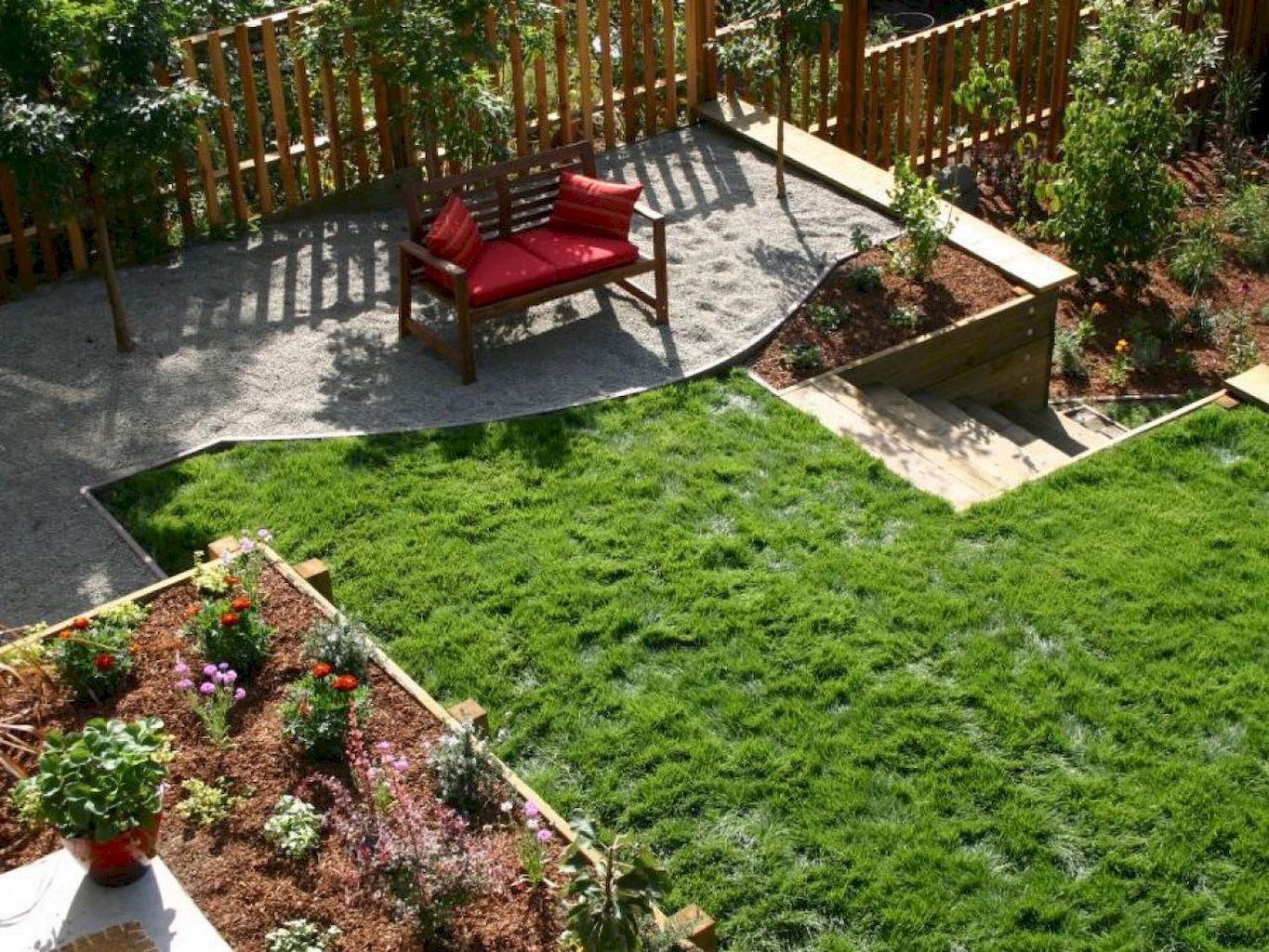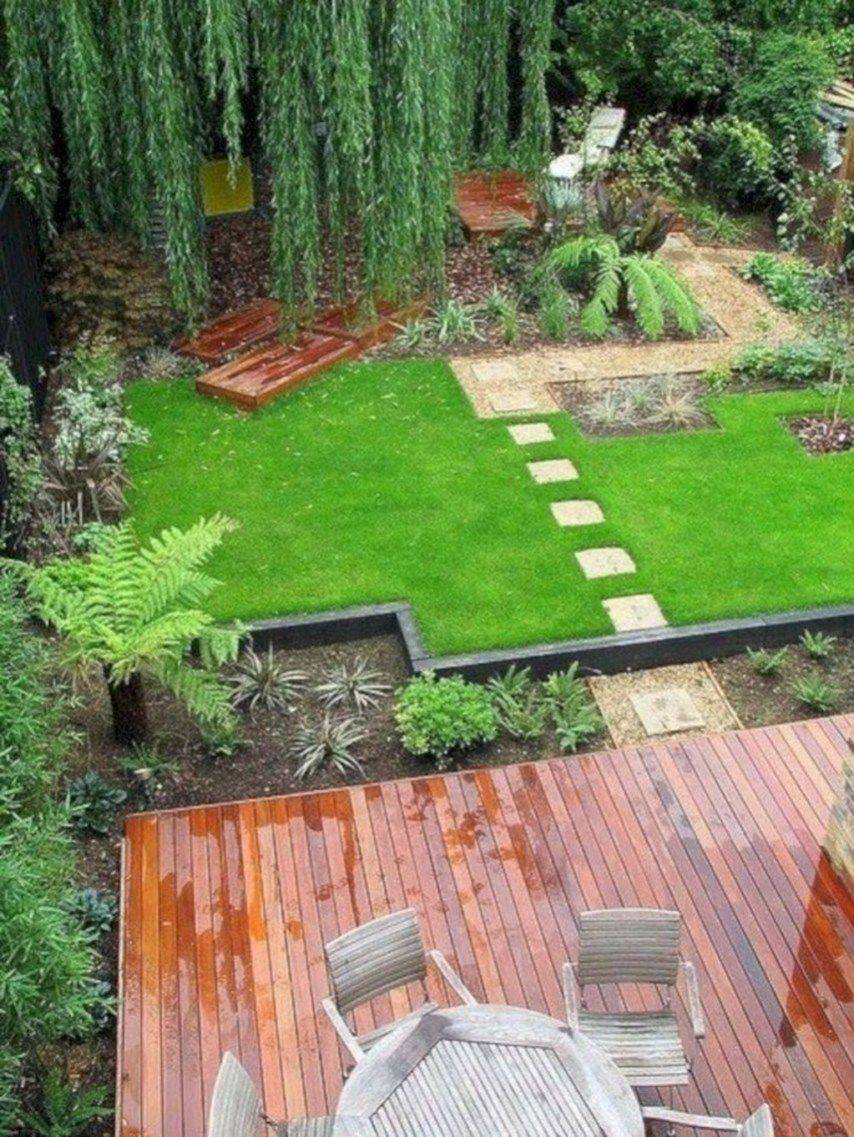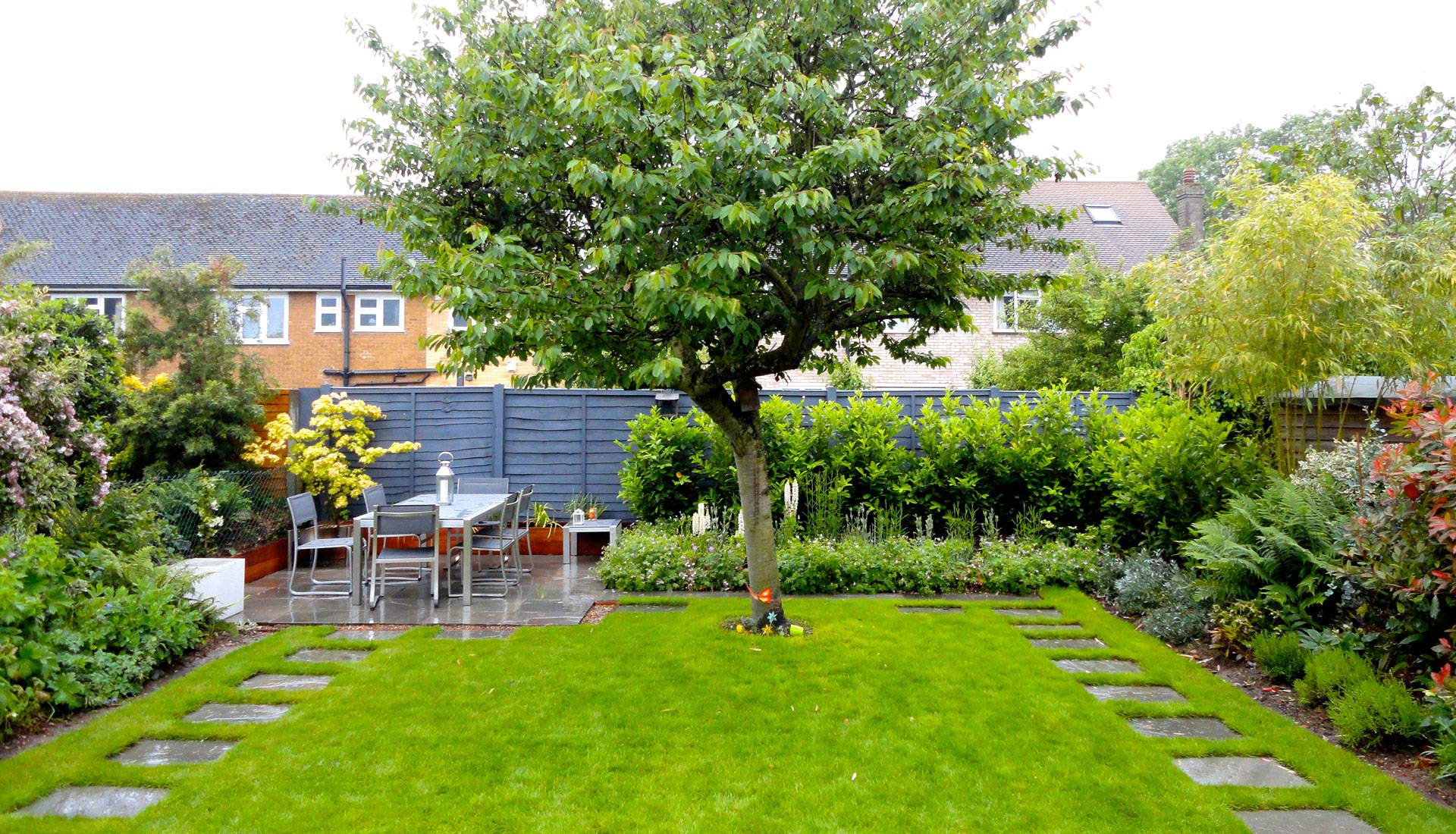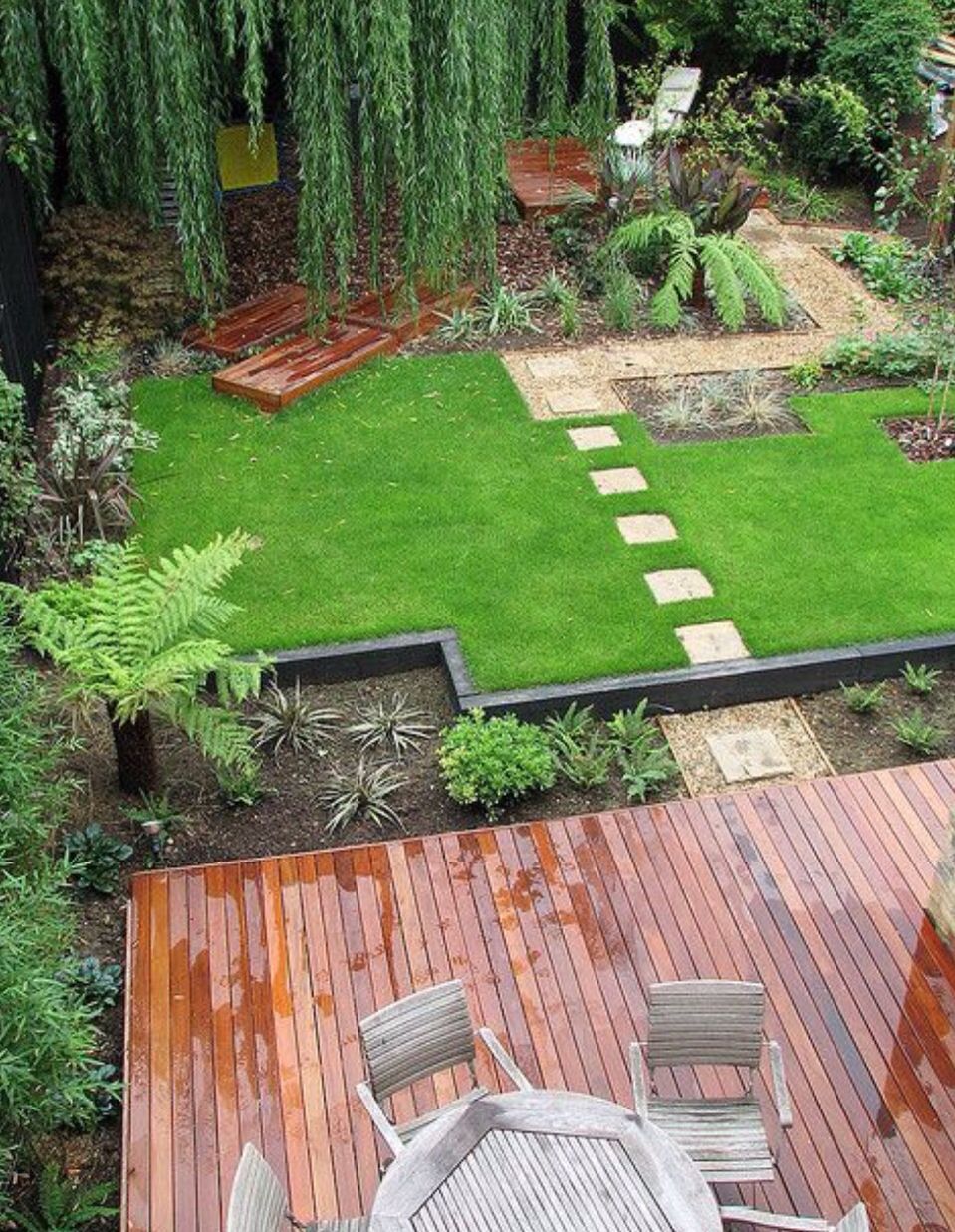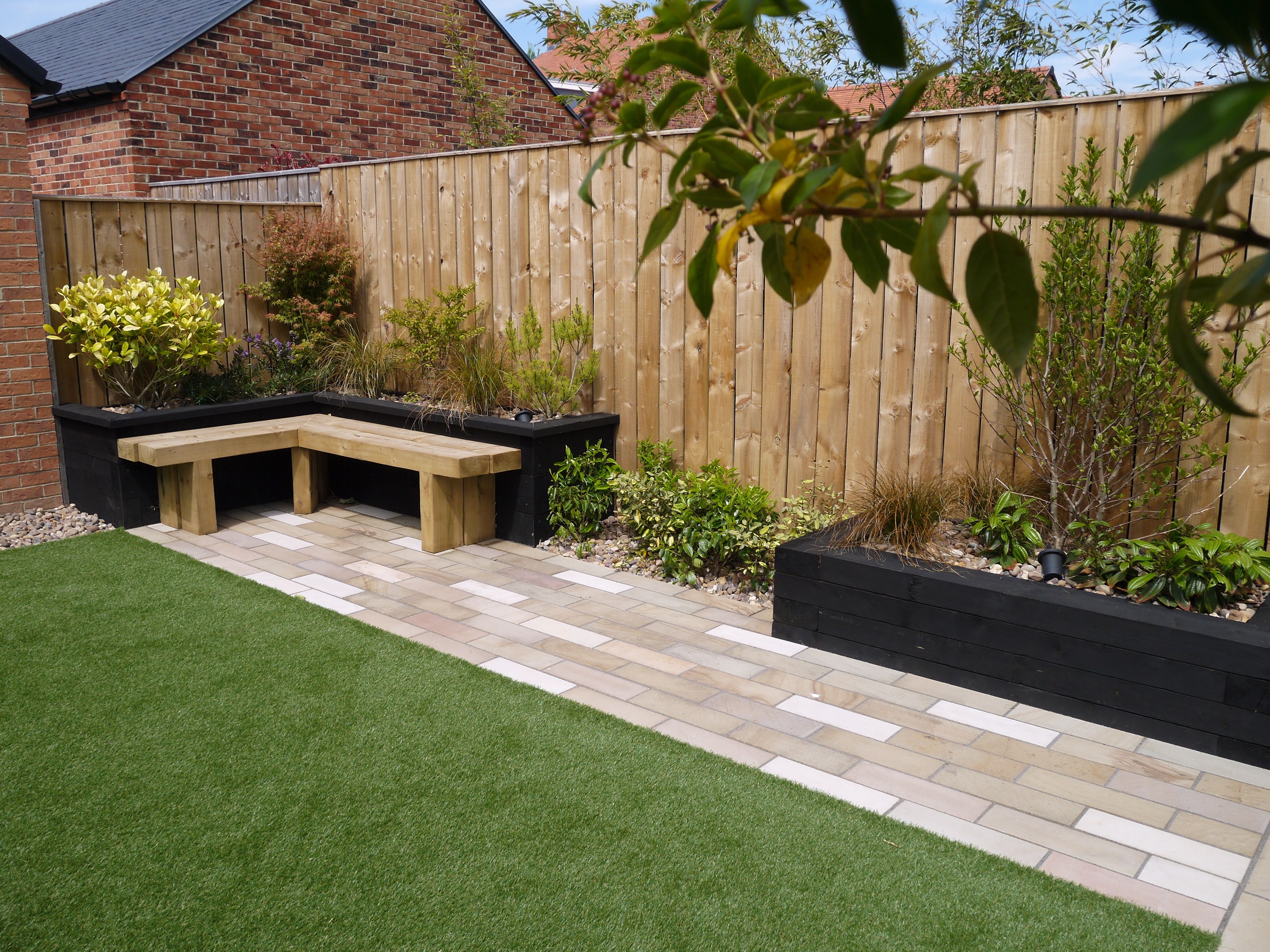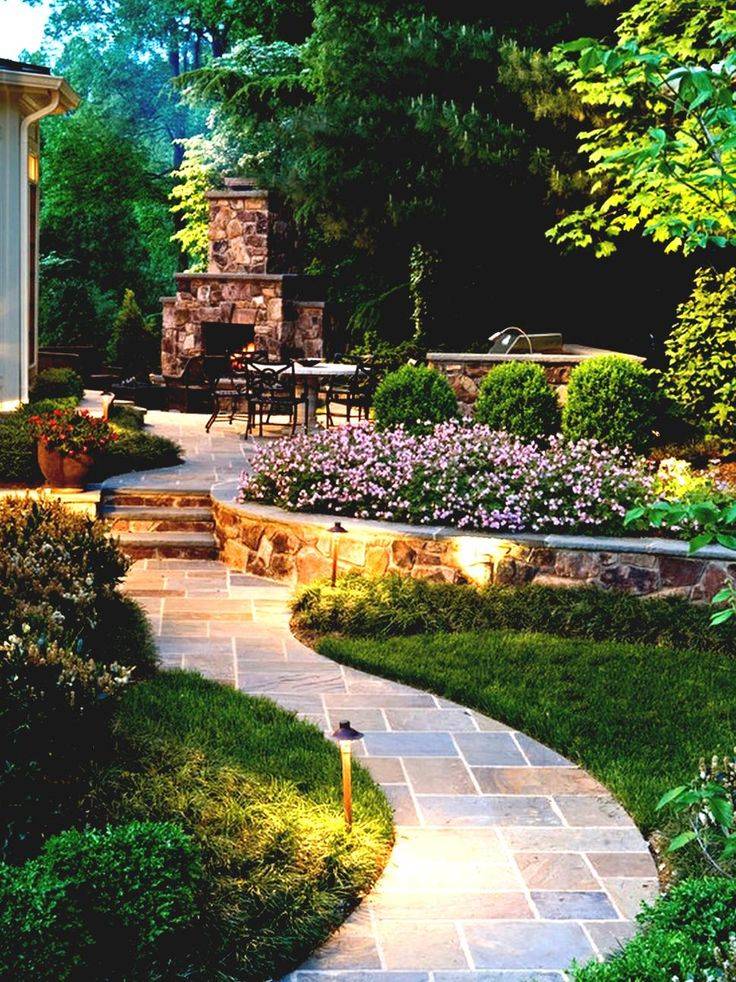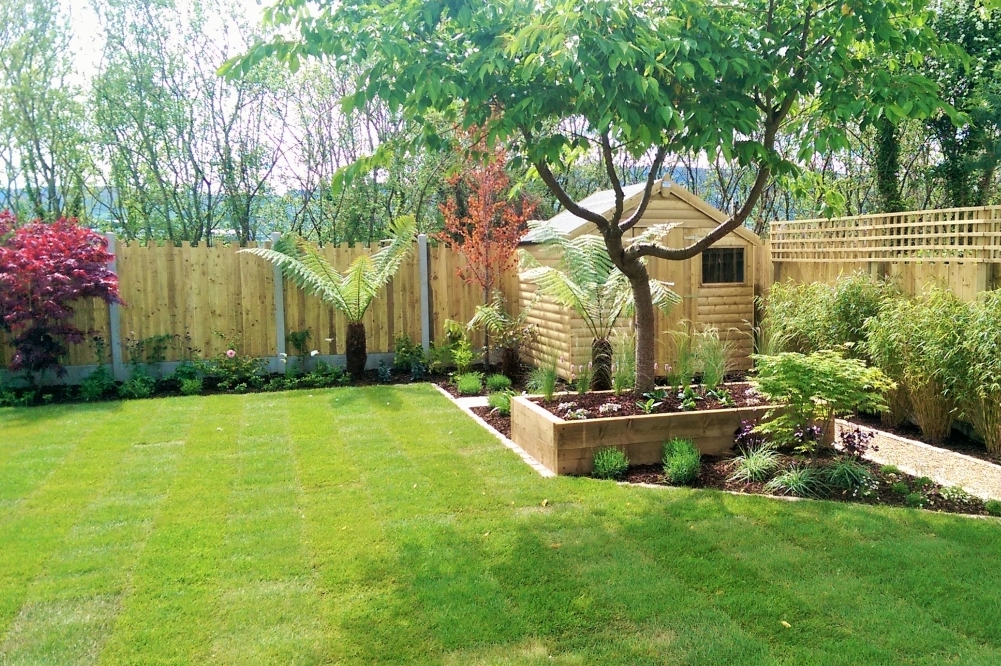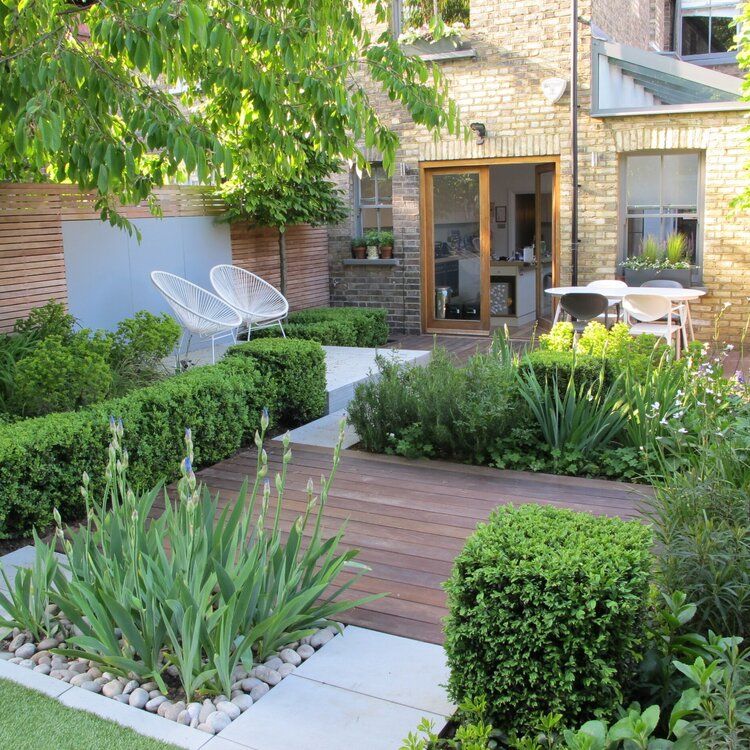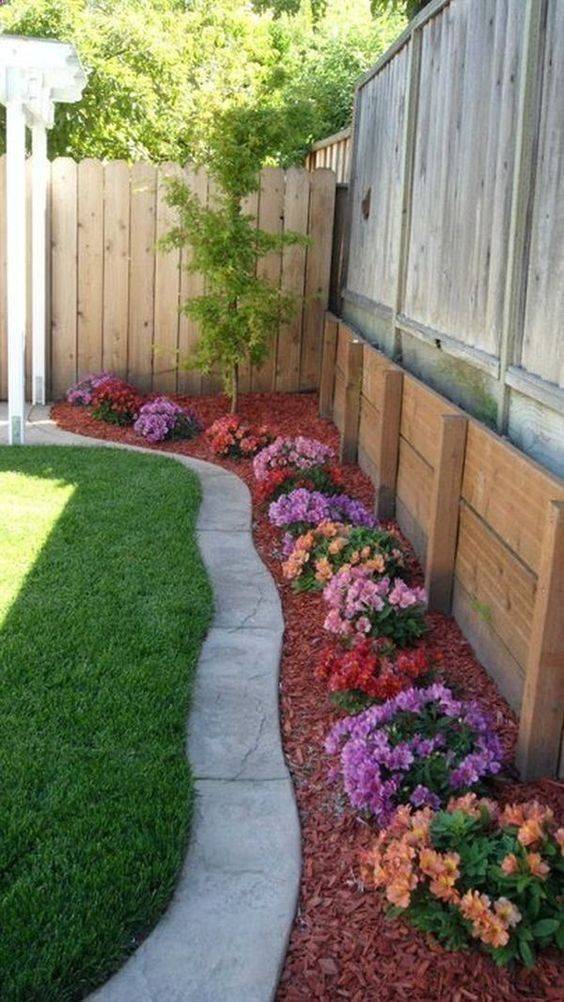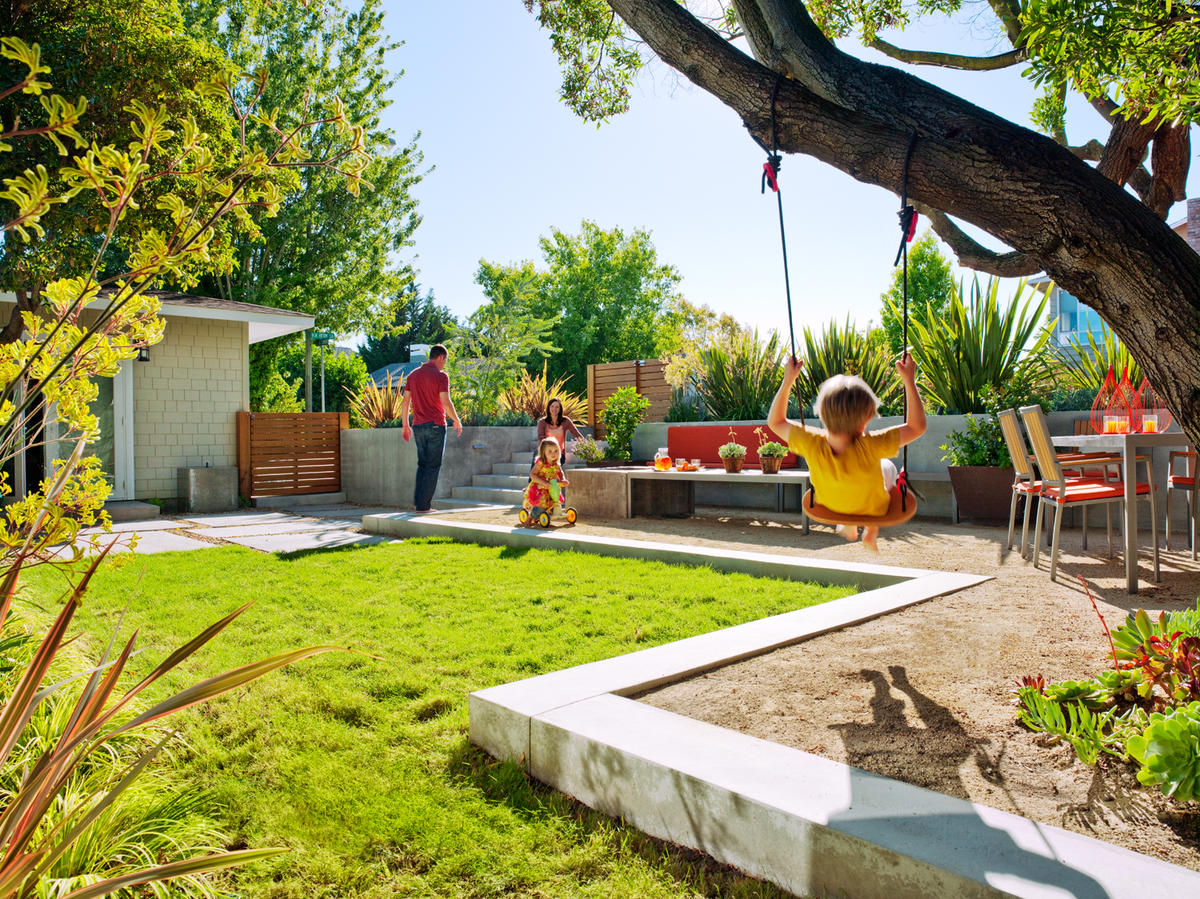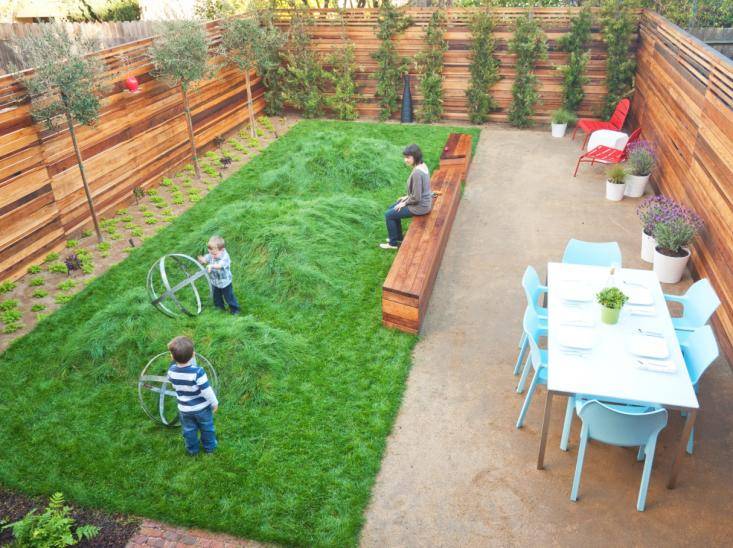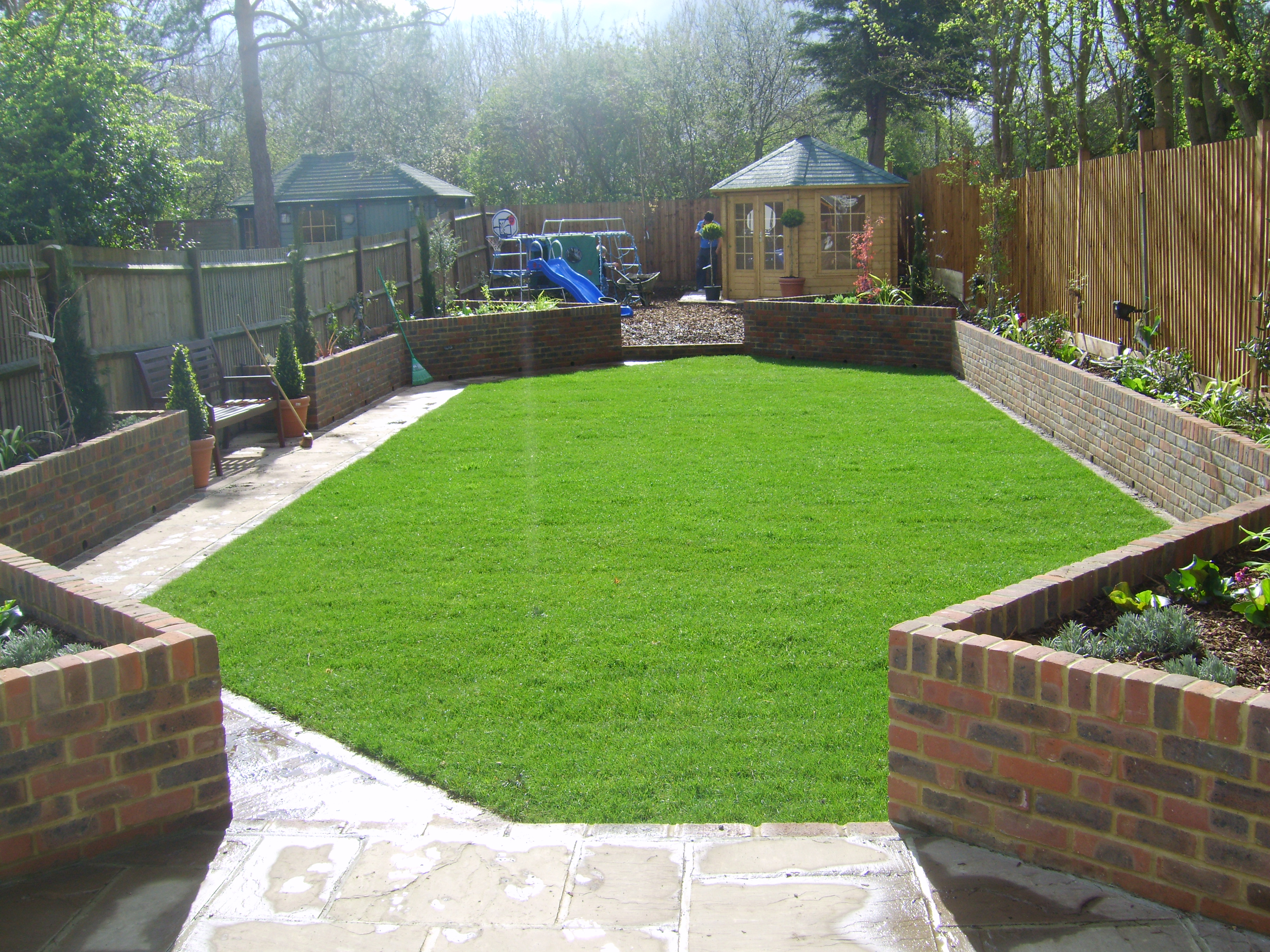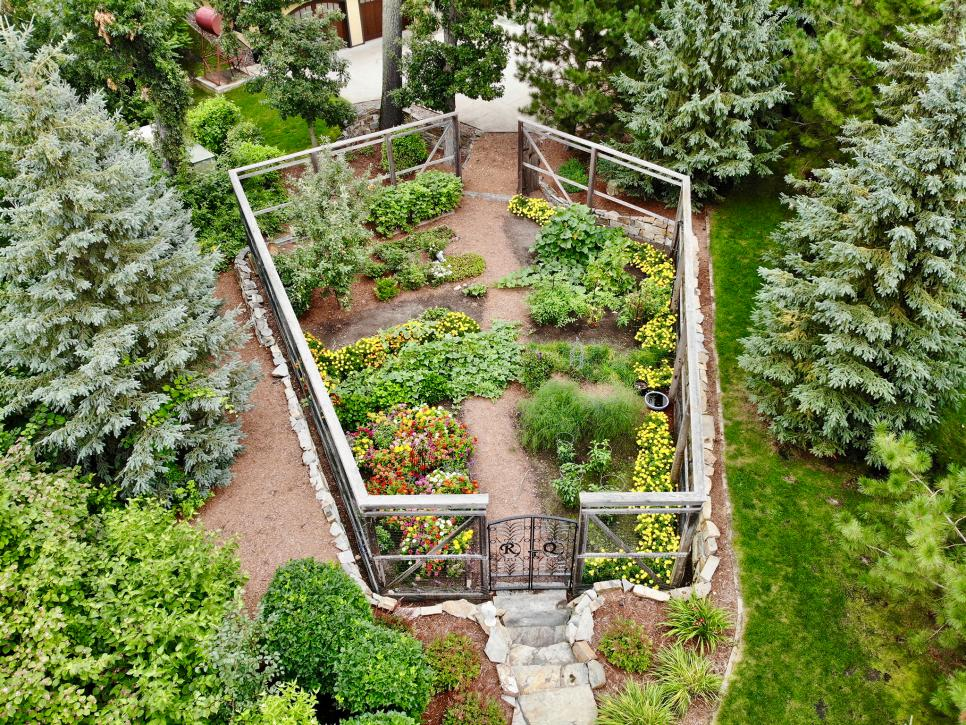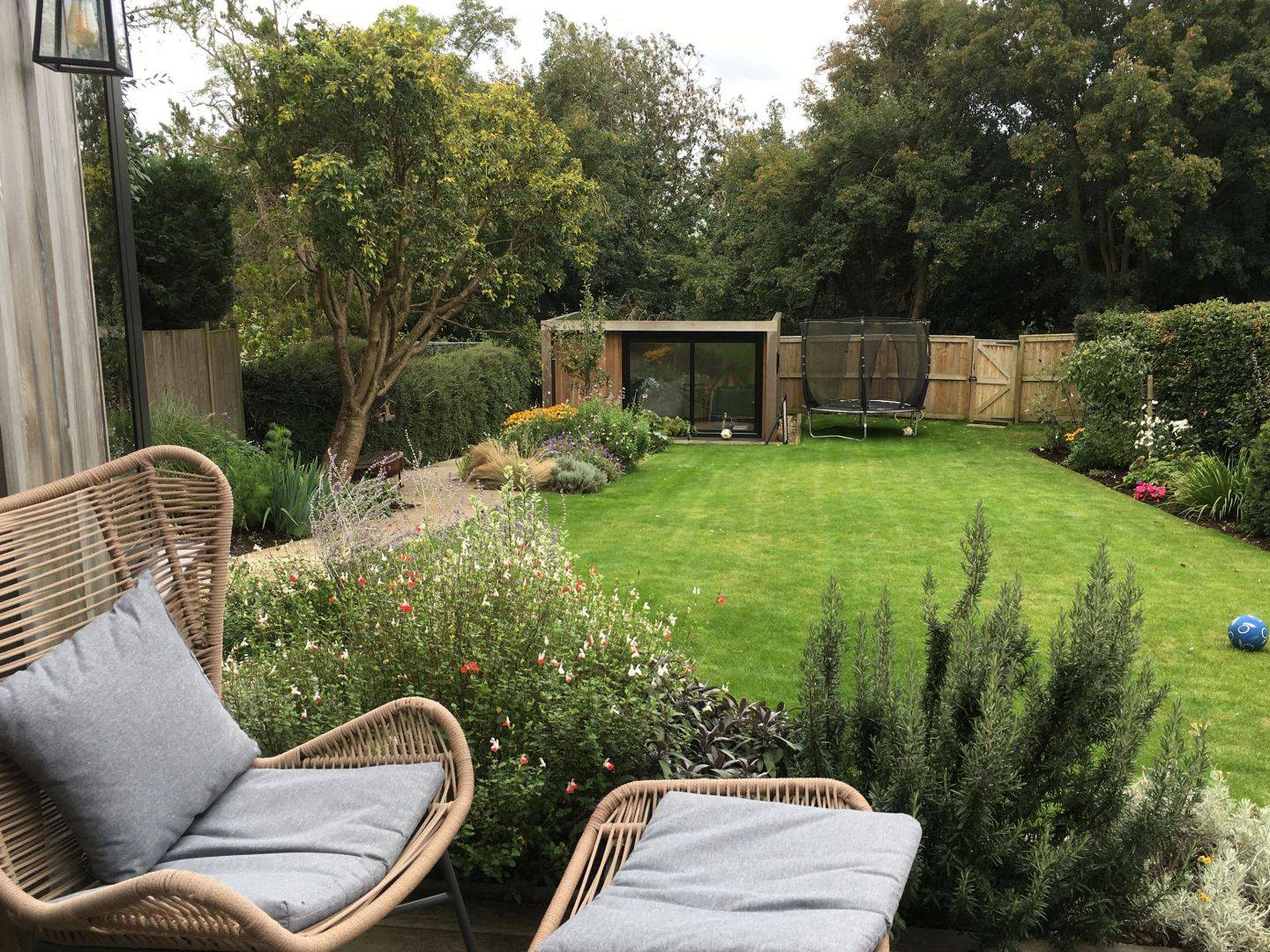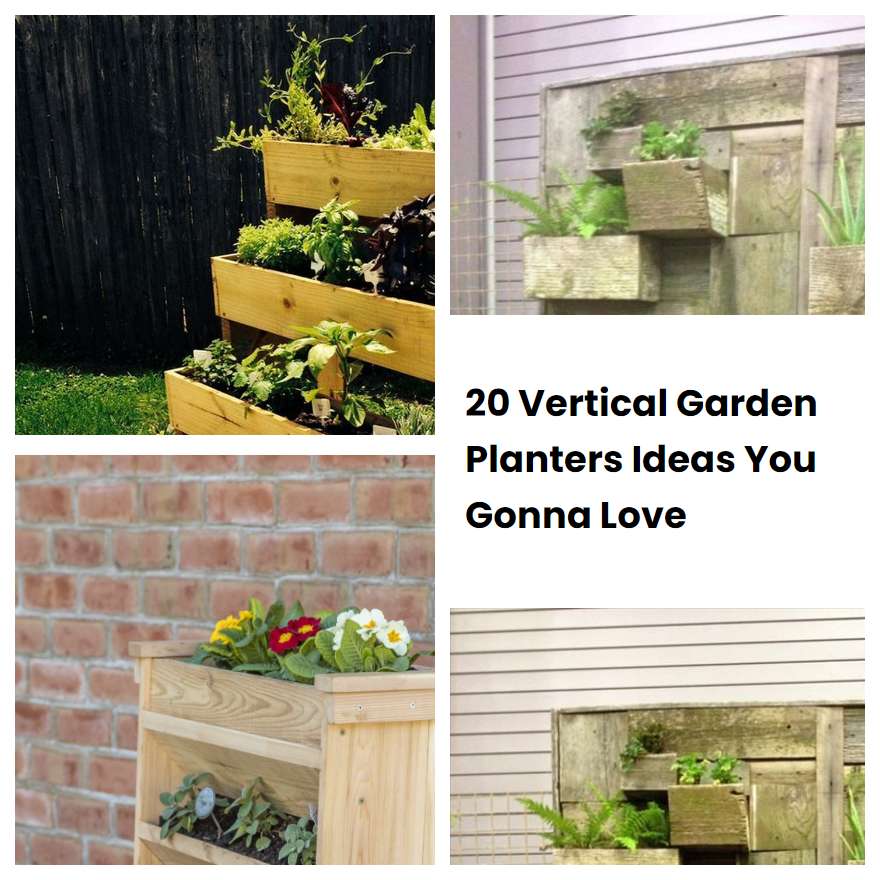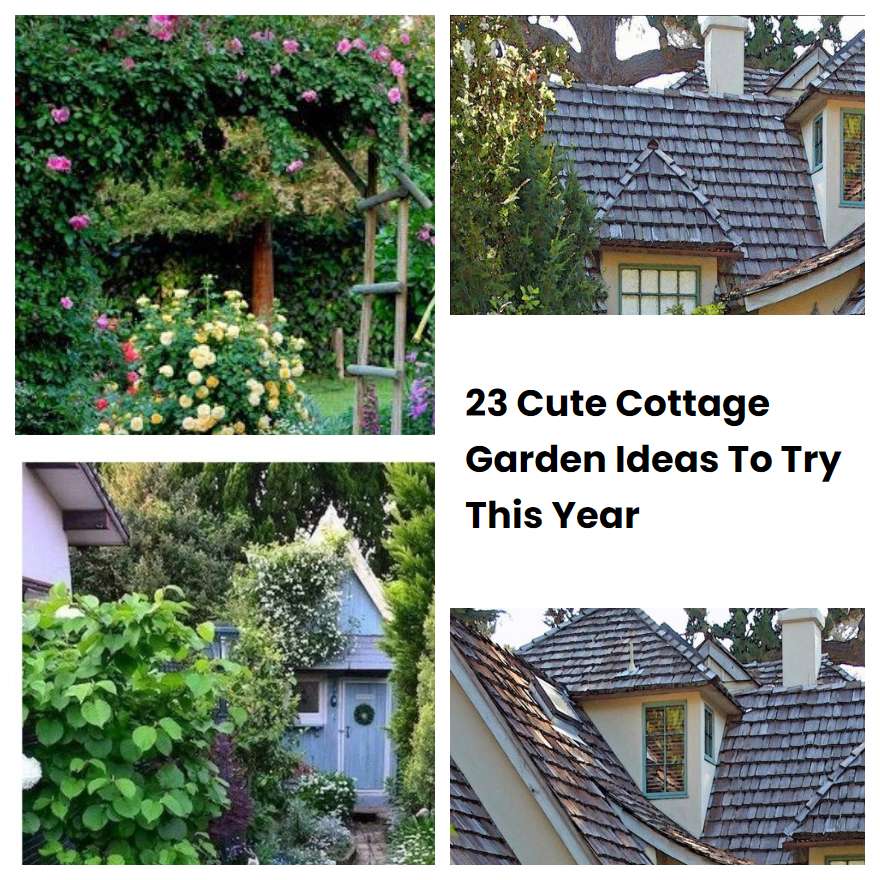
Gardening is more than just planting flowers and vegetables; it can represent your personality and lifestyle. Some people prefer to garden in a natural setting, while others prefer to have an orderly garden with specific colours and patterns. Whatever your style, there is a garden that will fit you perfectly.
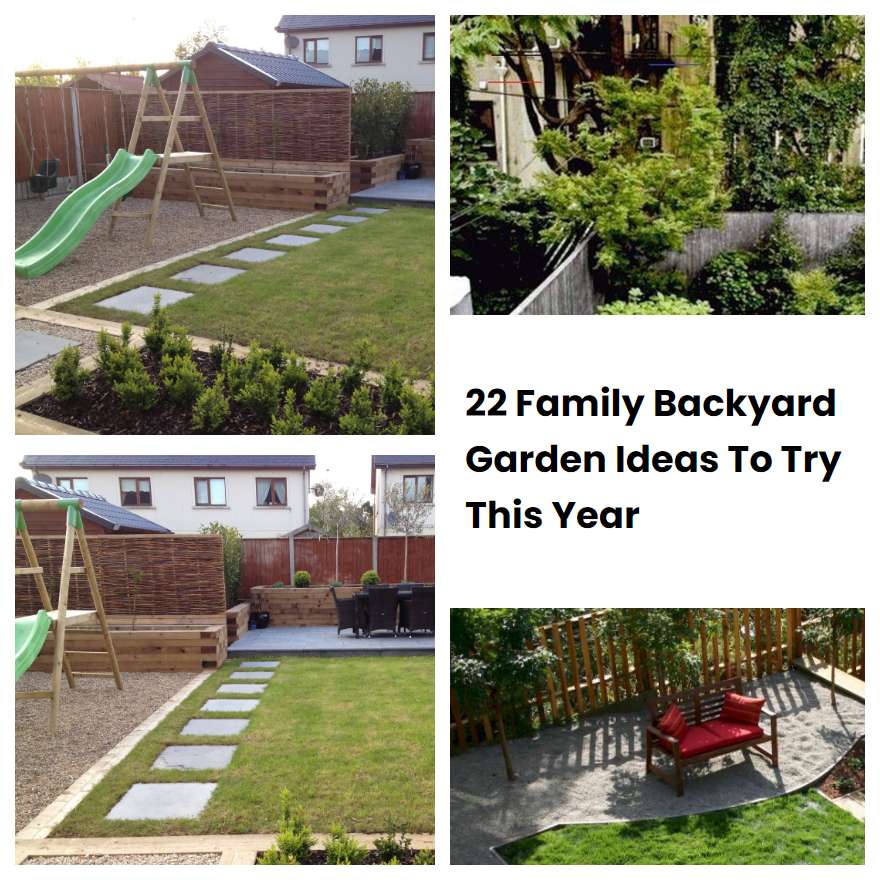
You don't need a lot of space to have a successful backyard garden. With the right tools and a bit of know-how, you can grow healthy produce in a small area. When choosing plants for your garden, keep in mind what is plentiful in your area and what is easy to grow. Try to fill your garden with plants that will provide food all season long, like tomatoes, peppers, cucumbers, and beans. When planting, be sure to give your plants plenty of room to grow. A couple of feet between plants is usually plenty. Another tip for having a successful backyard garden is to water it regularly. A properly watered plant will be less likely to get diseases and will produce larger crops. Be sure not to overwater your plants; watering too often can cause root rot. Check the soil every few days and add water as needed. Finally, remember to fertilize your plants once a month with a balanced fertilizer. This will help your vegetables grow bigger and healthier. When planting your seeds, make sure to cover them with soil so that they don't get wet and stay warm during the colder months.
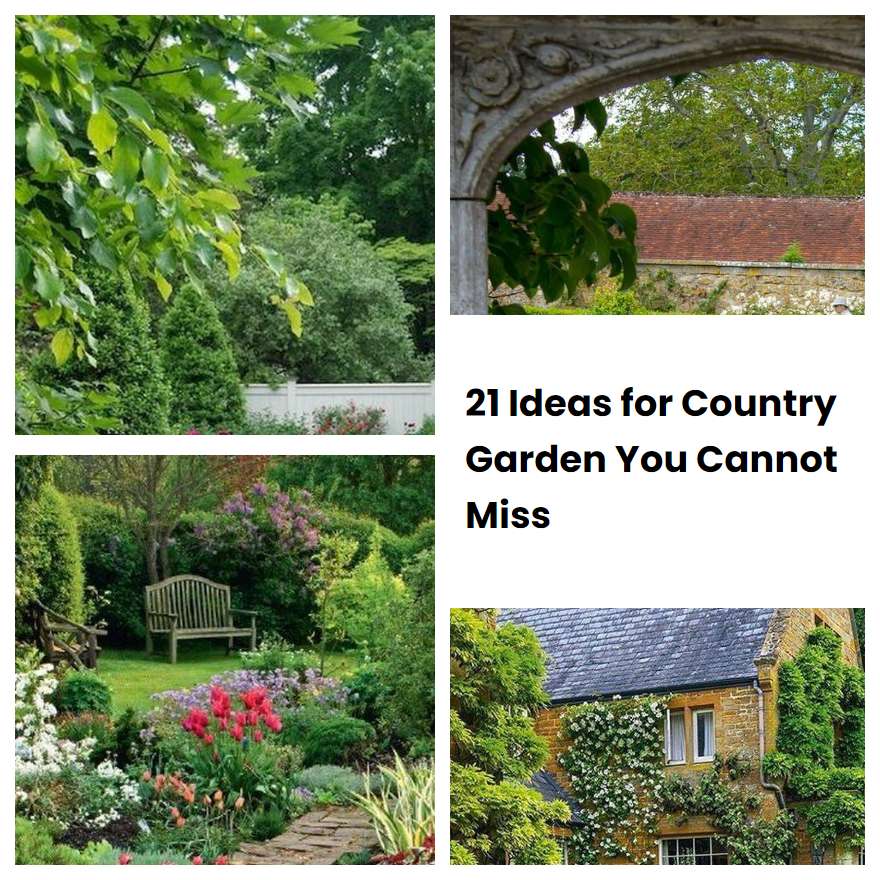
There is no one correct garden design, as different people have different needs and desires. Whether you are interested in traditional gardens with paths and benches, or want to create a more open-air layout with plants growing wild, there is a design that will fit your needs. Some popular garden designs include the Japanese garden, which features carefully arranged stones and pathways; Victorian garden, with its lush vegetation and ornate borders; English country garden, with its rolling fields and streams; and the botanical garden, devoted entirely to plants. No matter what type of garden you choose, be sure to pay attention to the location and climate of your home. A sunny location will work well for a sun-drenched Italian garden, while a shady area would be better suited for a Japanese one. Be sure to consider the seasons as well - an English country garden can look very different in summer than it does in winter. Finally, remember that gardens are both an artistic and relaxing way to spend time outdoors, so make sure to choose one that is pleasing to the eye as well as practical.
Gardening is a great way to get some exercise, spend time with friends, and relax. You can listen to music or talk to friends while you work in the garden to keep you entertained.
A garden needs plenty of sunlight, but also shade to allow plants to grow healthy. A garden should be positioned so that it gets the most direct sunlight during the morning and the most indirect sunlight in the afternoon.
Organic matter helps to hold oxygen and nutrients in the soil, enhances water drainage, and helps to prevent compaction. The best way to increase the amount of organic matter in your garden soil is to add compost or aged manure before planting. If you cannot afford to add compost or manure, you can help improve the fertility of your soil by adding a layer of well-rotted manure or compost each year.
A garden is a great place to grow food, flowers, and plants. However, garden pests and diseases can be easily avoided by keeping your garden clean. Proper gardening practices also include using appropriate pest control measures when pests do occur.