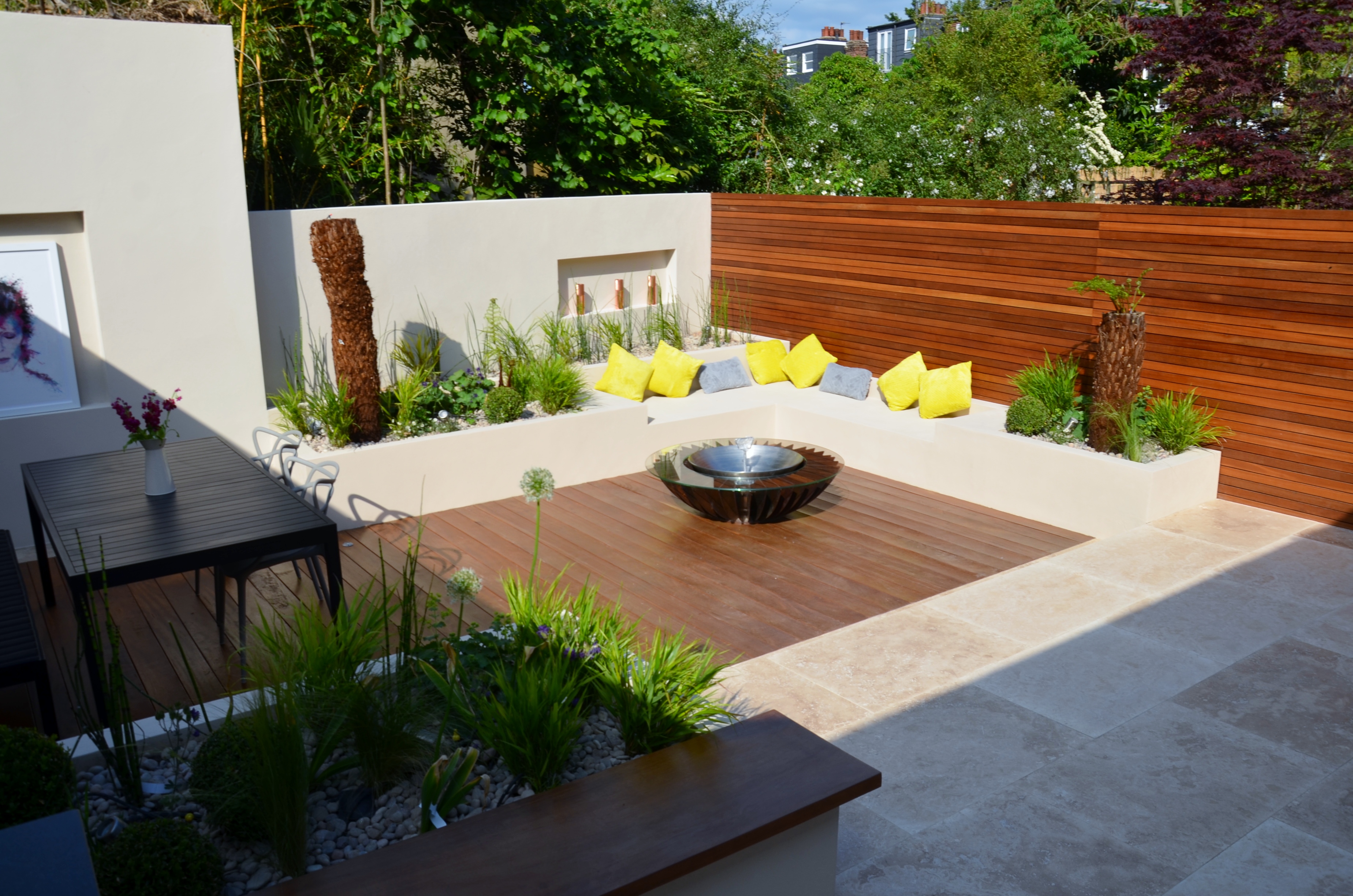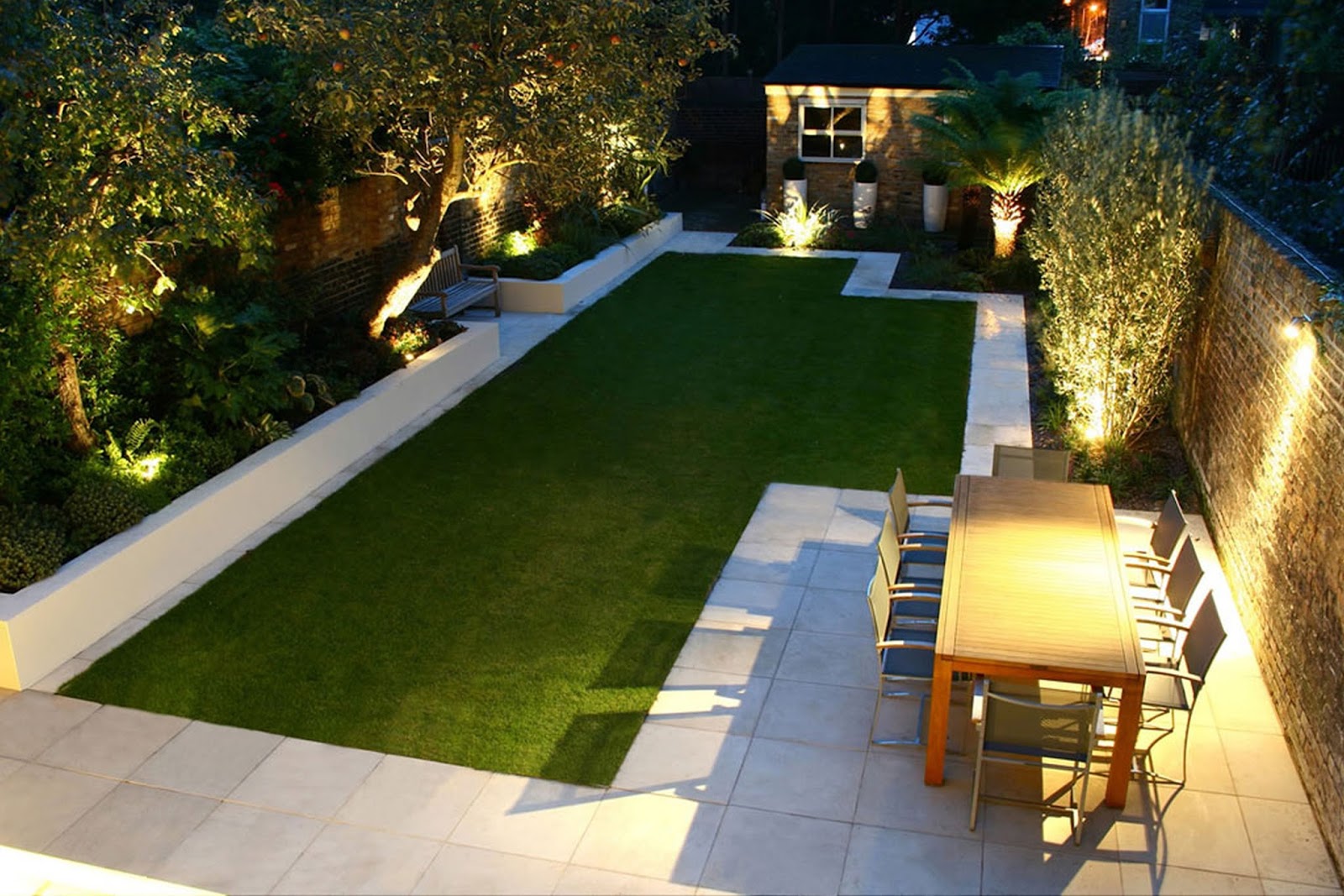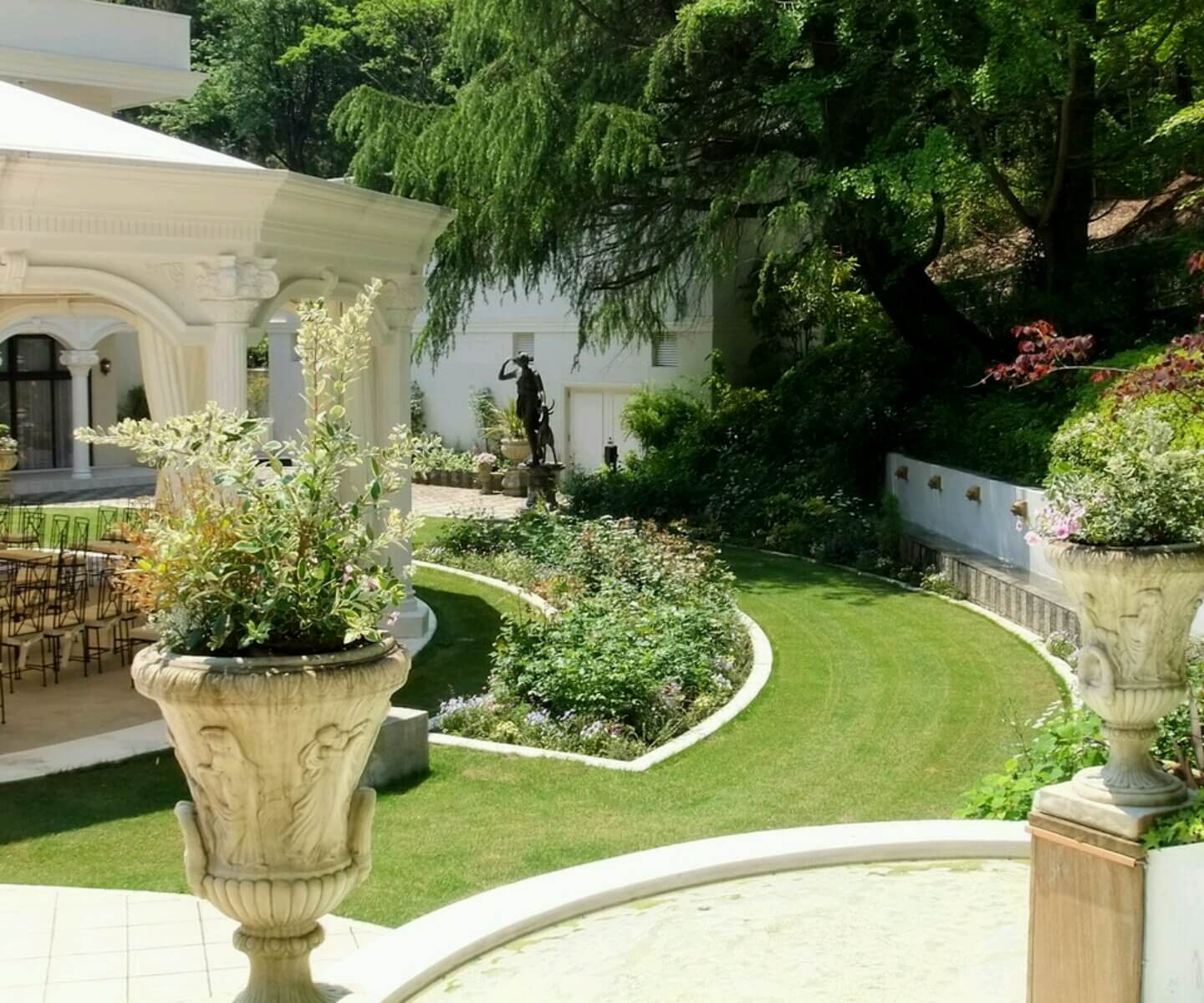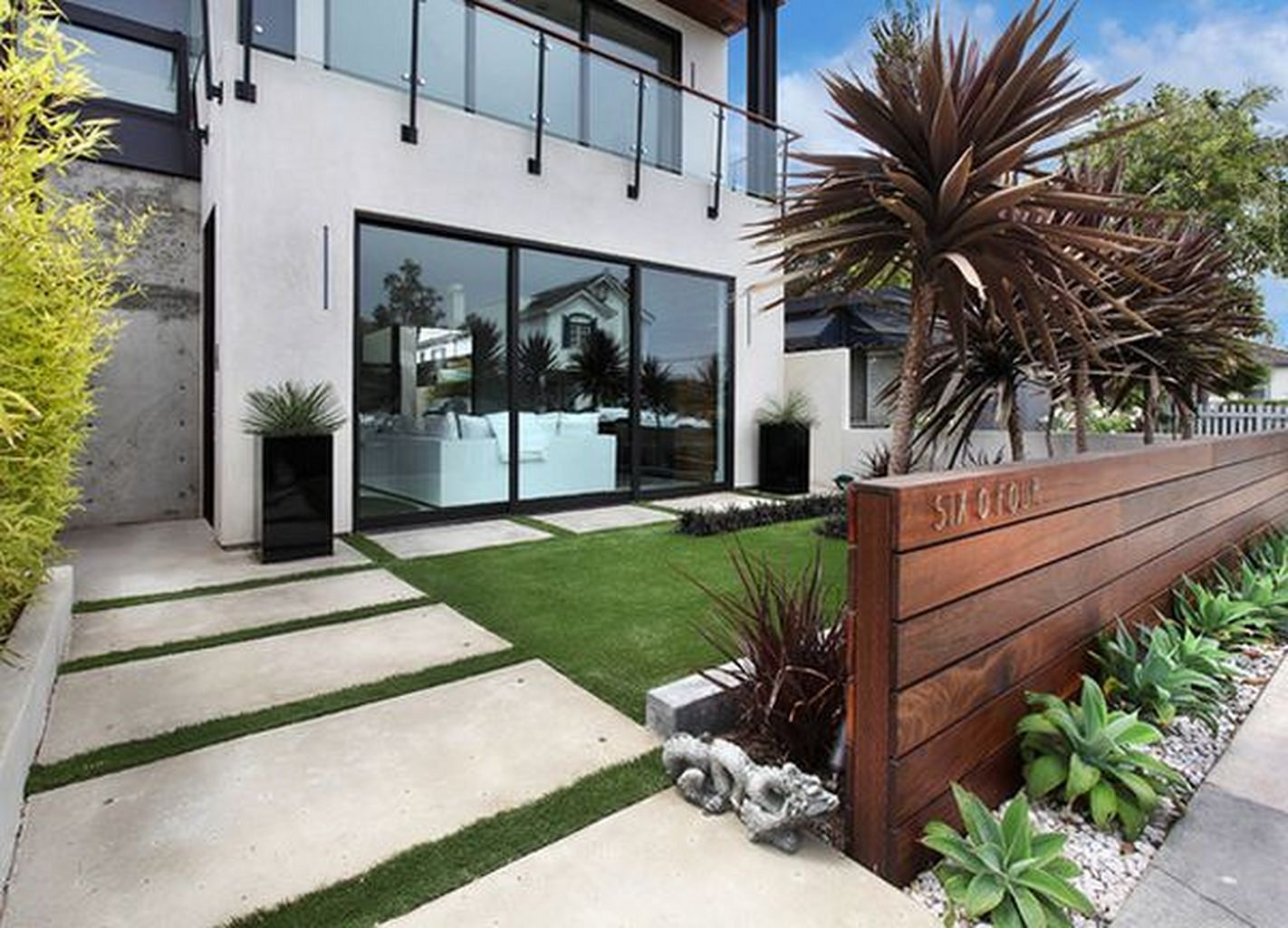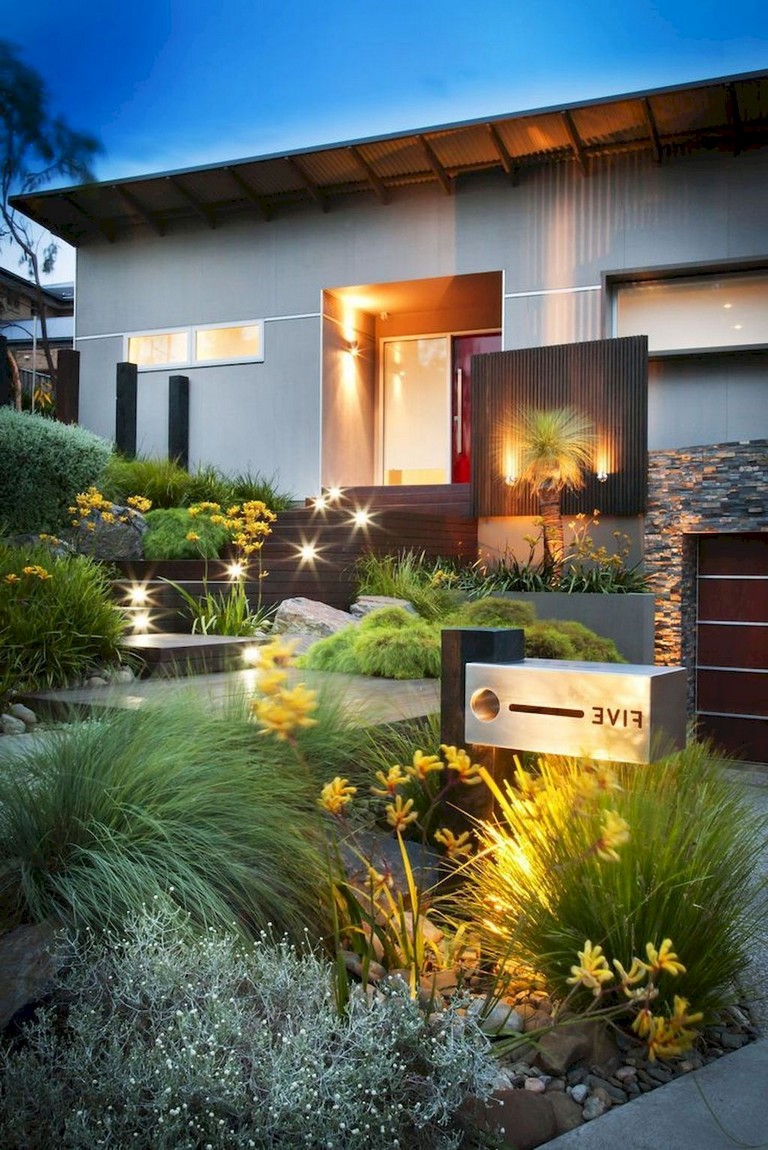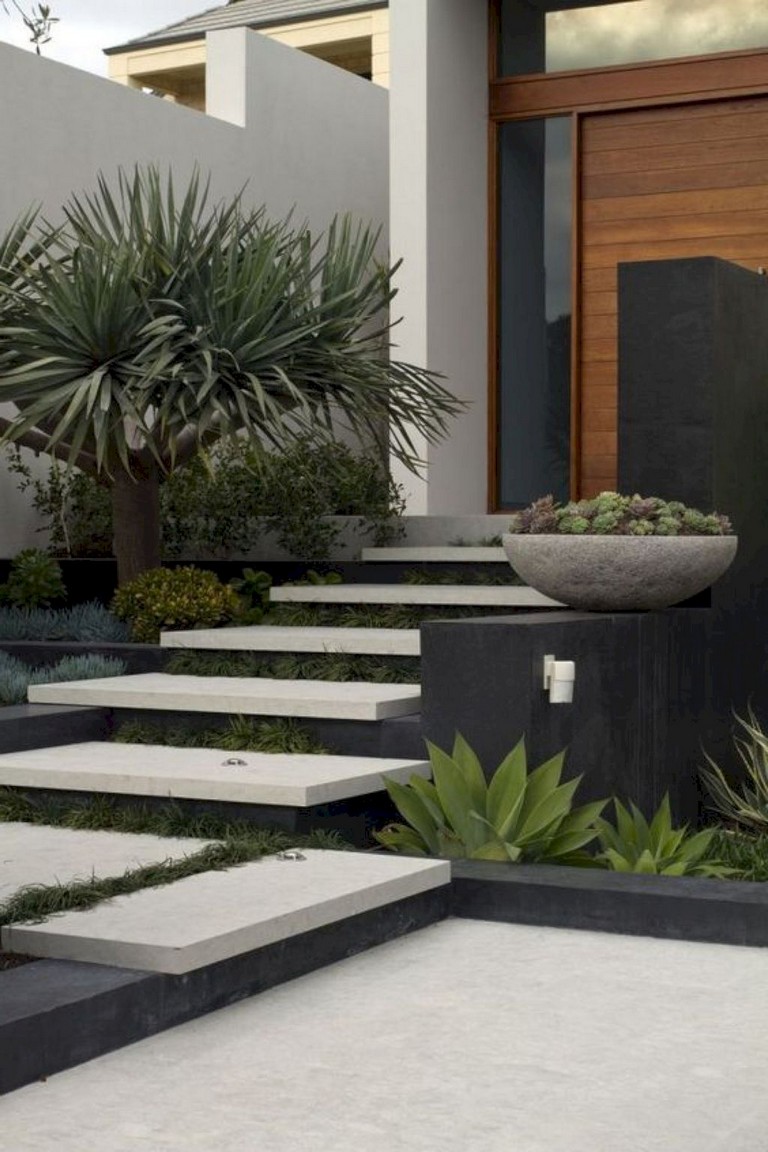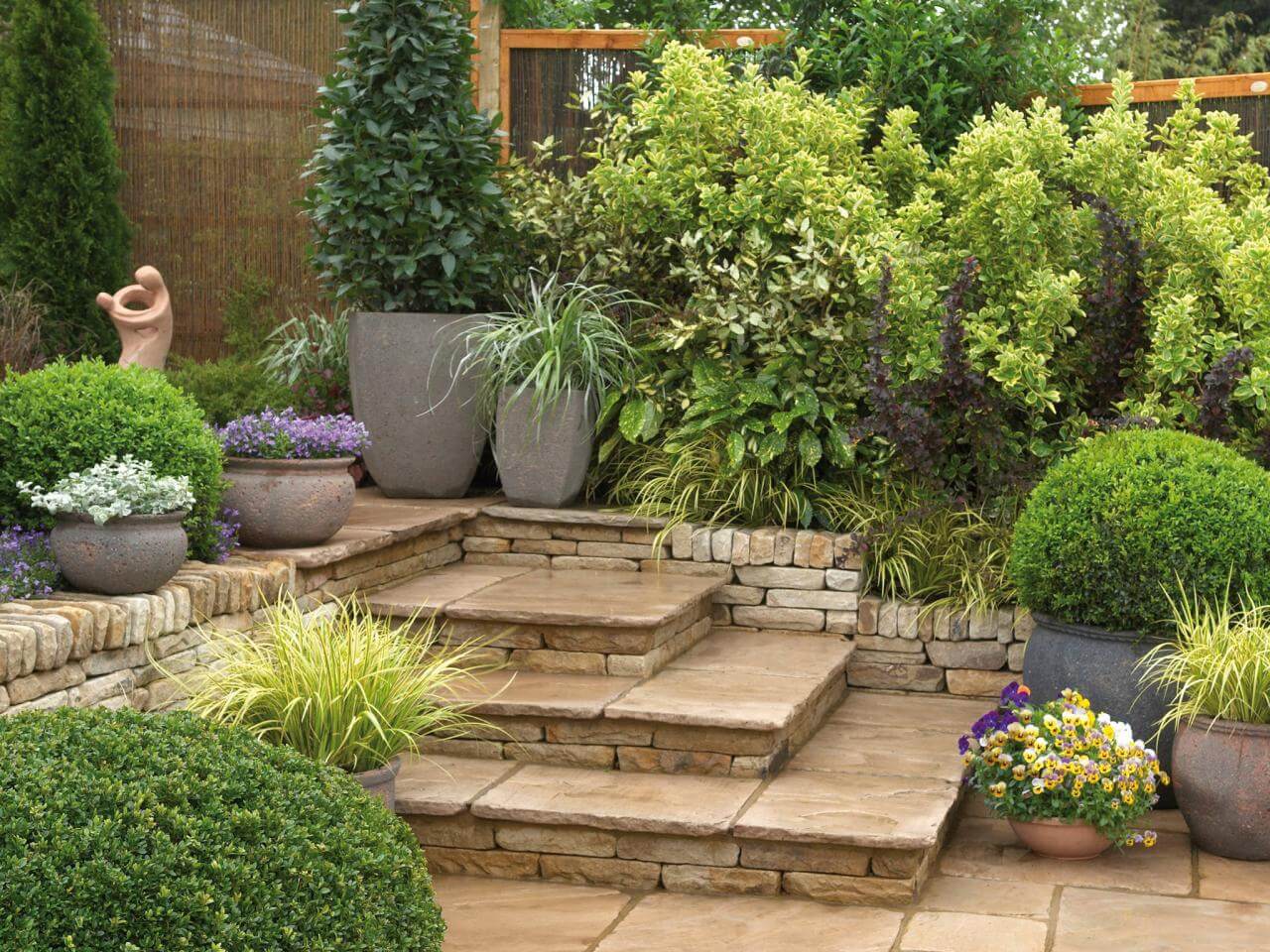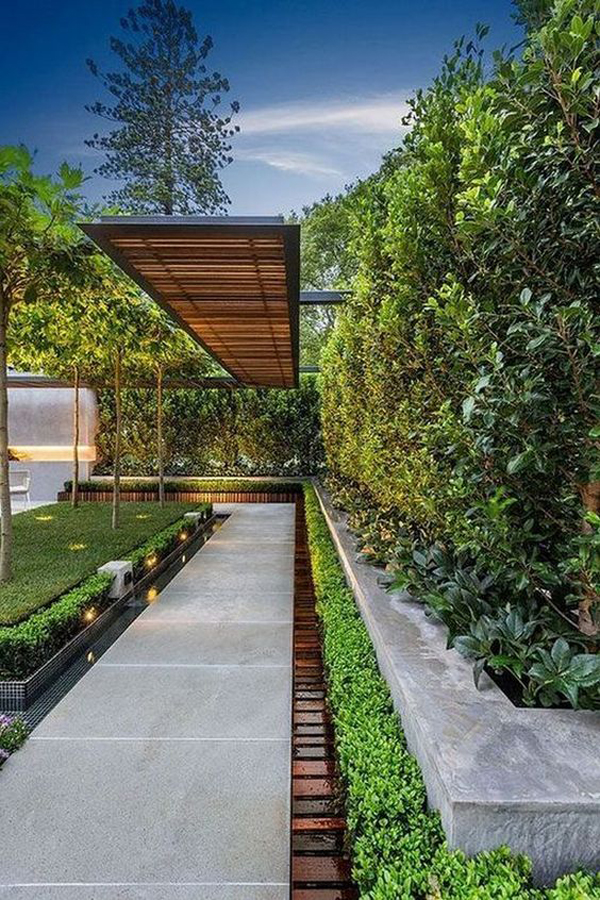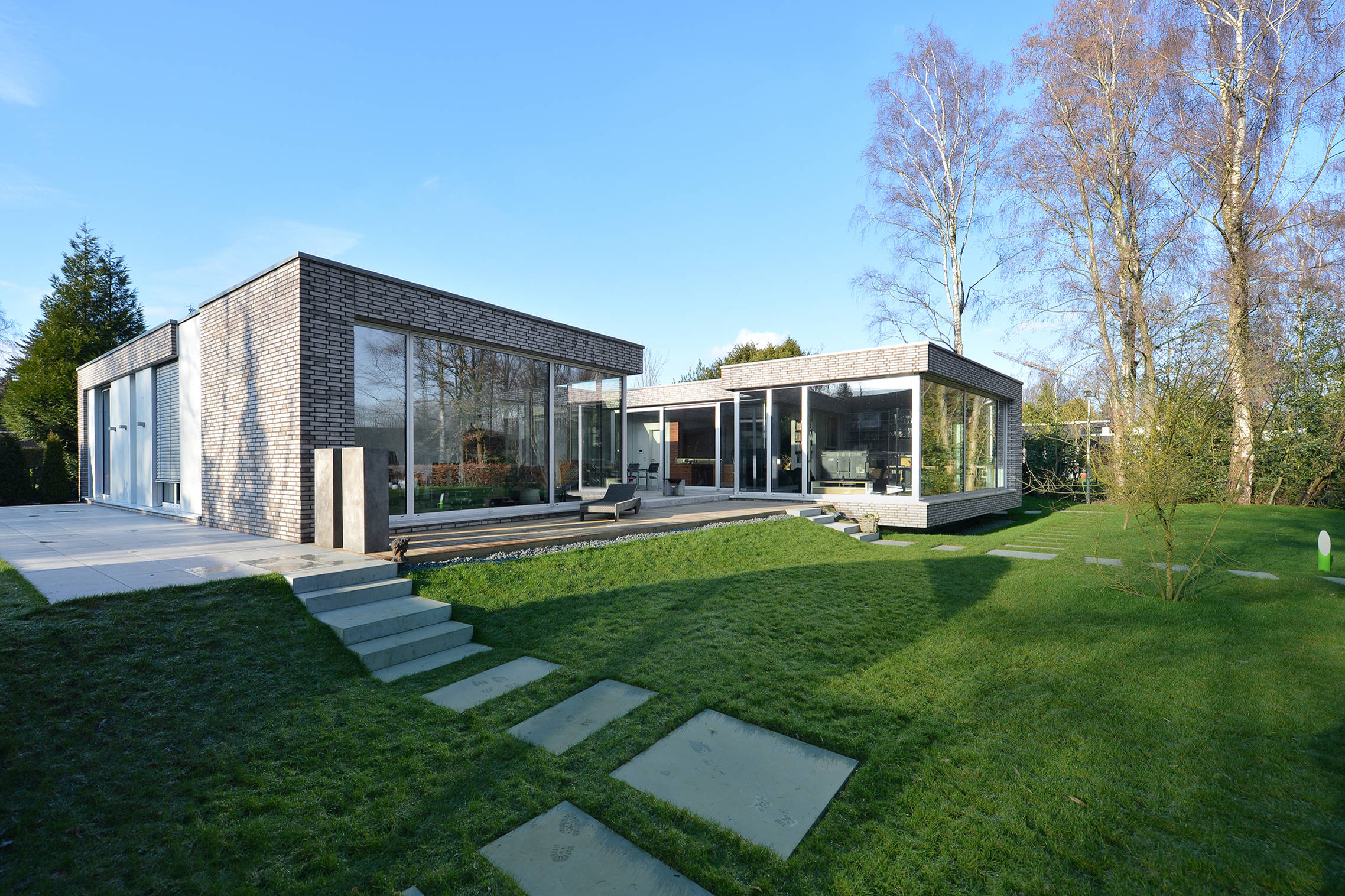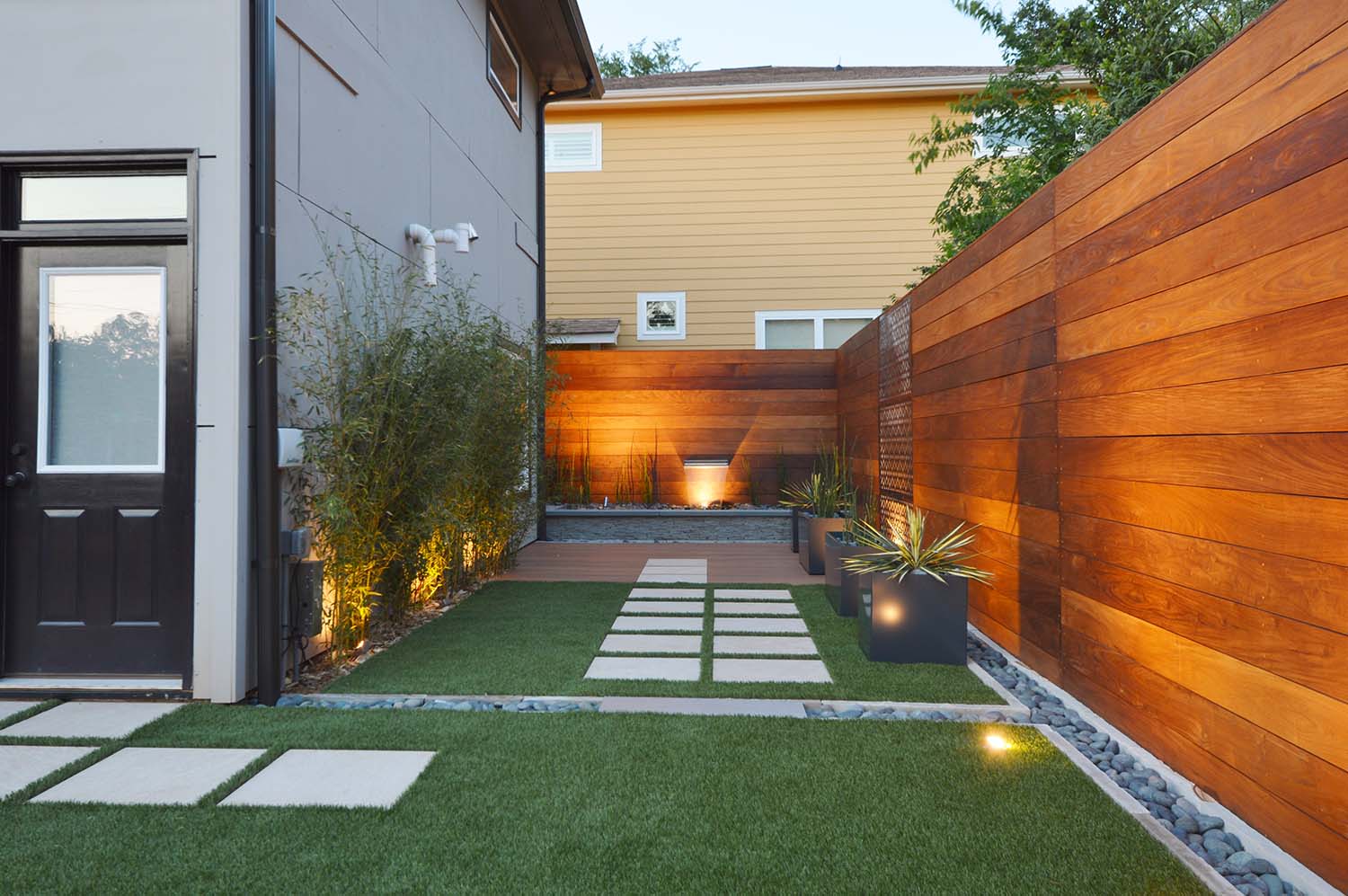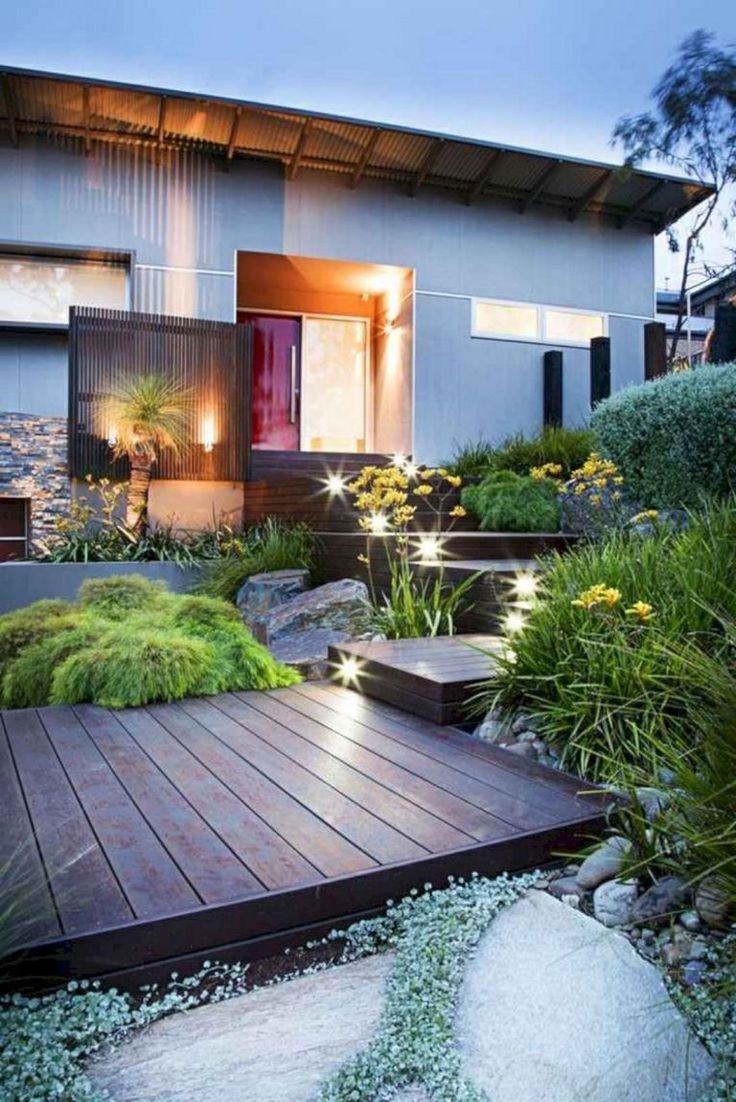
People often think that having a really nice garden is only for those who have a lot of money. However, there are many ways to make your garden inexpensive without sacrificing its appearance. One way to do this is to use natural materials instead of artificial ones. You can also try using plants that are slow-growing, which will keep the garden looking neat and tidy over time. And finally, you can add some nice touches such as well-placed lights and flowers.
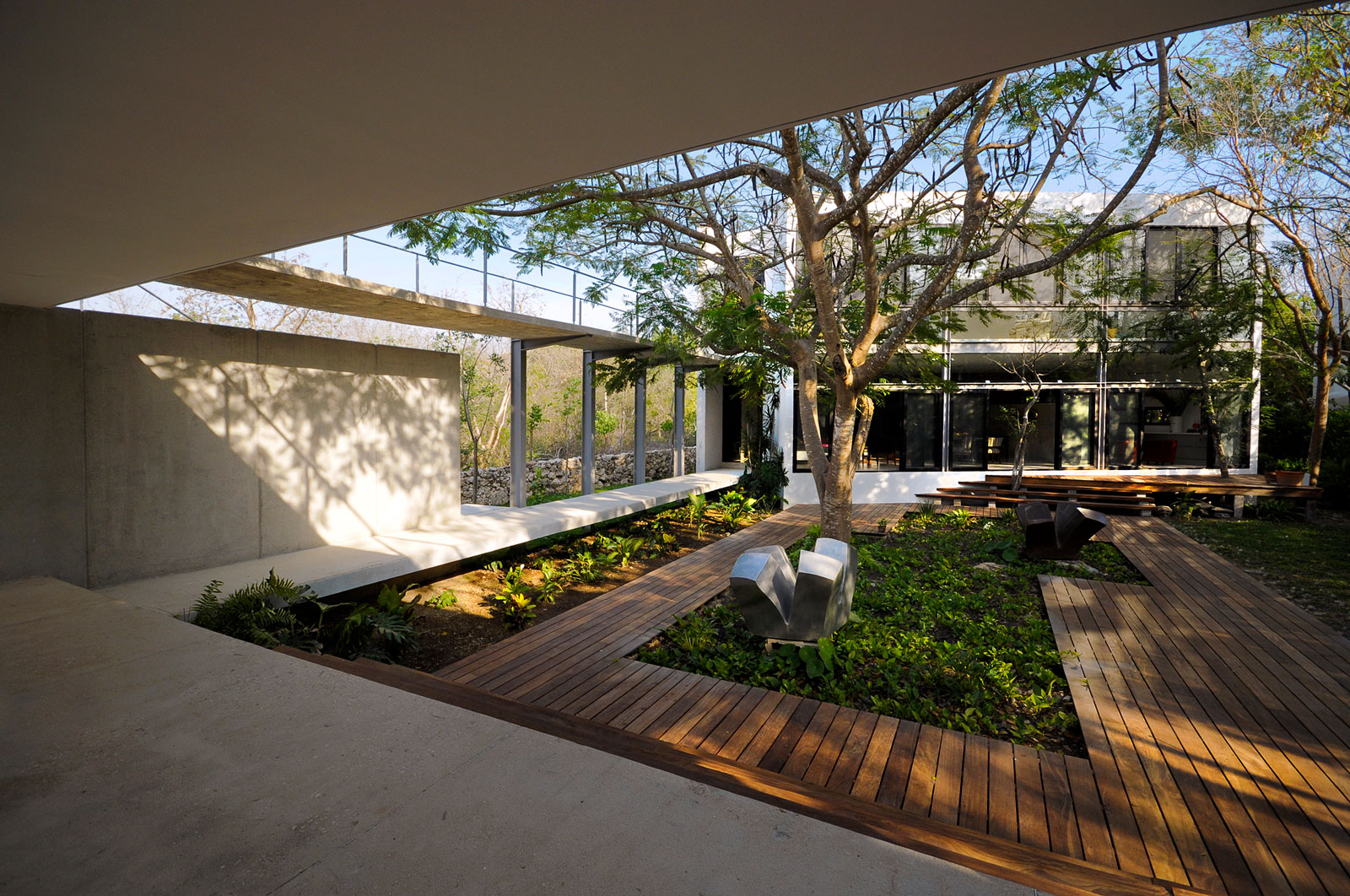
When it comes to creating a warm and inviting space, few materials are more natural than earth, water, logs, and rocks. These materials have been used for centuries to create comfortable homes and spaces. By using these elements in combination, you can create a space that is both comfy and stylish.
Enjoying the view from your garden can be a great way to relax after a long day. Elevated spots can provide different perspectives on your surroundings, making for a more enjoyable experience. Look for spots with great views of nearby landscapes or wildlife.
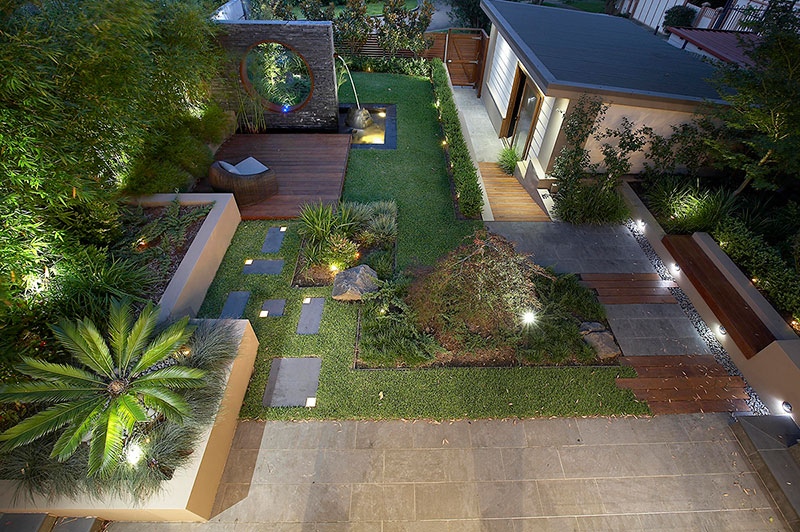
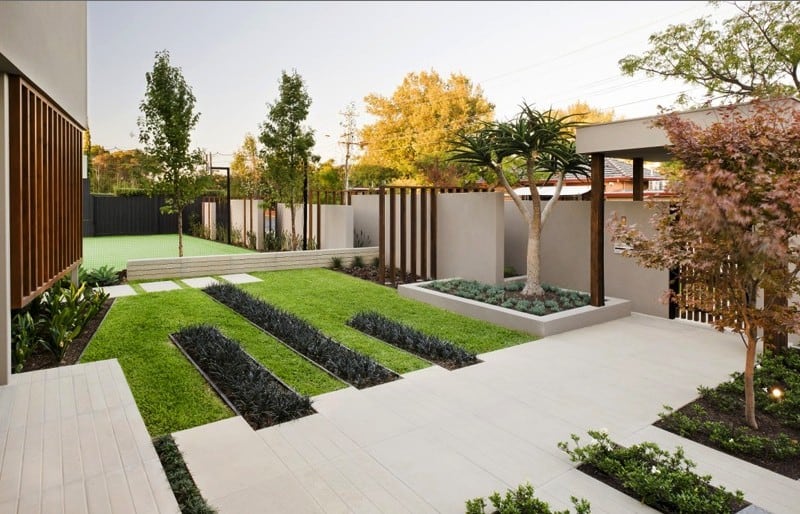
A good garden must have a well-thought-out design - cosy corners, elegant pathways ... Enjoying a peaceful garden in the company of loved ones is an experience that cannot be replaced. Some tips on how to create an inviting garden: -Consider your chosen location and its surroundings. Is there space for a garden? If not, can it be expanded? Do you want to focus on plants or flowers? -Planning your garden layout is key to creating a tranquil oasis. Decide where you would like to sit, walk or play and map out the path accordingly. -Think about how you will use your garden. Will it be used for relaxing walks or as a colourful display of seasonal foliage? -A well-designed garden can provide year-round tranquillity and enjoyment. Consider features like shaded areas, water features, and fragrant plants to add extra complexity and charm.
A good garden MUST have flowers! - Different colors, shapes, sizes, flowering all the time. Flowers give beauty and fragrance to gardens, and are a necessary component for attracting pollinators. There are many types of flowers that can be found in a garden, from annuals that bloom for one or two seasons, to perennials that live for several years. Some of the most common flowers in a garden include roses, daisies, irises, and morning glories. Each flower has its own unique features and personality that can be enjoyed by both the gardener and the visitor to the garden.
Gardens can have many different looks and themes, depending on what's in season - so Plan ahead! Suppose you want to create a garden with a spring theme. In the early spring months, you might consider planting bulbs such as tulips or daffodils. Later in the spring, you might want to add plants that bloom in early summer such as irises or buttercups. As the summer progresses, you might want to add plants that flower in late summer such as hibiscus or roses. Fall gardens can reflect the colors and textures of leaves falling from the trees, while winter gardens may feature evergreen shrubs and trees.
I live in an area with cold winters and hot summers. I want a plant that can grow well in both seasons. I am going to choose a tree that can grow well in cold climates, the Norway Spruce.
Watering is an important part of keeping your plants healthy. Too much water can cause root rot, while not watering enough may kill your plants. Follow these tips to water your plants wisely: 1.Measure the amount of water your plant needs using a rain gauge or a hydrometer. Water only until the gauge reads the amount of water your plant wants. Over-watering will cause root rot, while under-watering will kill plants. 2.Make sure your plant is well-watered every day, even if it doesn't rain. A soaker hose can be used to water small plants and containers, while a sprinkler helps larger plants soak up water quickly. 3.Avoid letting water runoff from your garden into ditches or drainage areas, which can lead to flooding and drain filter problems. Use a landscape berms or rain barrels to collect rainwater for your plants.
When planting in the spring, use a soil pre-mix to improve the texture and drainage of the garden bed. Fill in the plantings with a layer of organic mulch to help conserve moisture and keep the soil warm in the winter.
There are many colorful flowers and vegetables that can be added to your garden. Some excellent choices include bright pink roses, red and orange tomatoes, yellow cucumbers, green beans, and vibrant blueberries. Not only will these plants add color and vibrancy to your garden, but they will also provide plenty of delicious fruits and vegetables.